

Simply the healthiest food for parrots.
Human-grade, whole ingredients, ready to add to any parrot's bowl for a delicious and life-enhancing foraging experience.
Every sale supports conservation

Something for everyone
-

African Greys
African Greys are brilliant, sensitive birds with well-known needs, including plenty of...
-

Cockatiels
Cockatiels do best on variety, not just a seed bag. Mini Meadow...


New To The Store
-
Garden Greens Foraging Leaves - Healthy Foraging Topper For Small Parrots - The Aviary Parrot Food
Regular price £7.99 GBPRegular priceUnit price per -
Great for Small Parrots
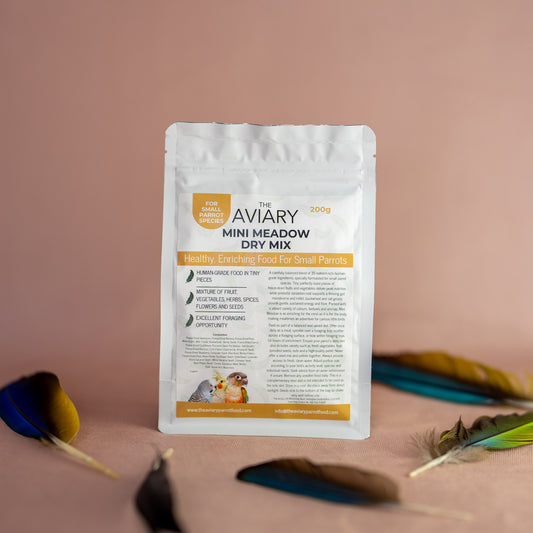
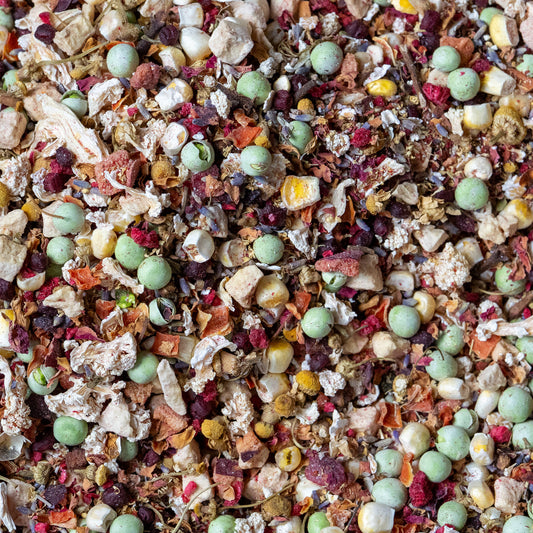
Mini Meadow Dry Mix - Healthy Food for Budgies, Cockatiels, Conures & Small Parrots - The Aviary Parrot Food
Regular price From £14.99 GBPRegular priceUnit price per -
Great for Fussy Parrots
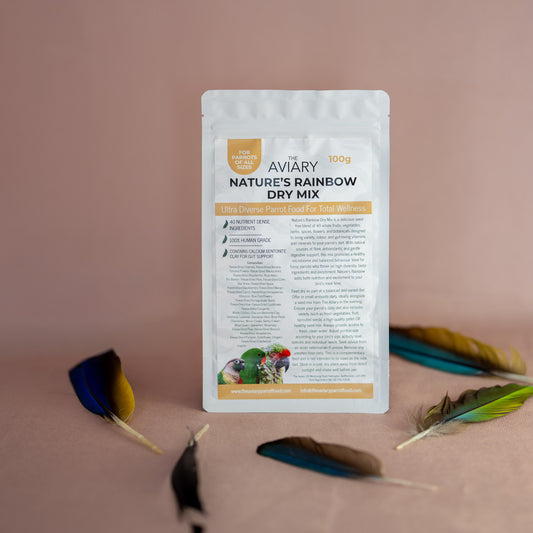
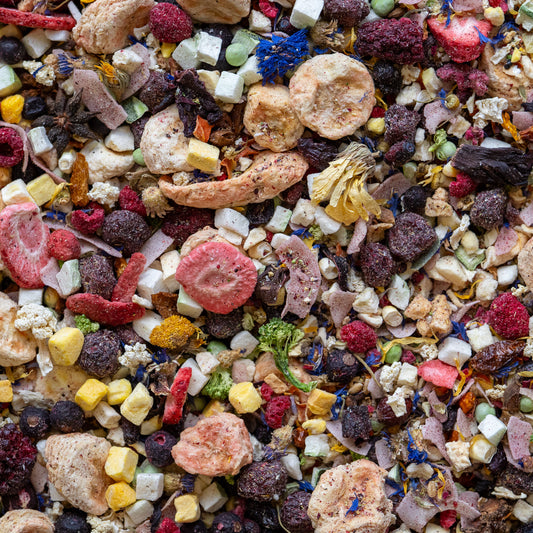
Nature's Rainbow Dry Mix - Healthy Parrot Food | The Aviary
Regular price From £10.99 GBPRegular priceUnit price £8.40 per 100g -
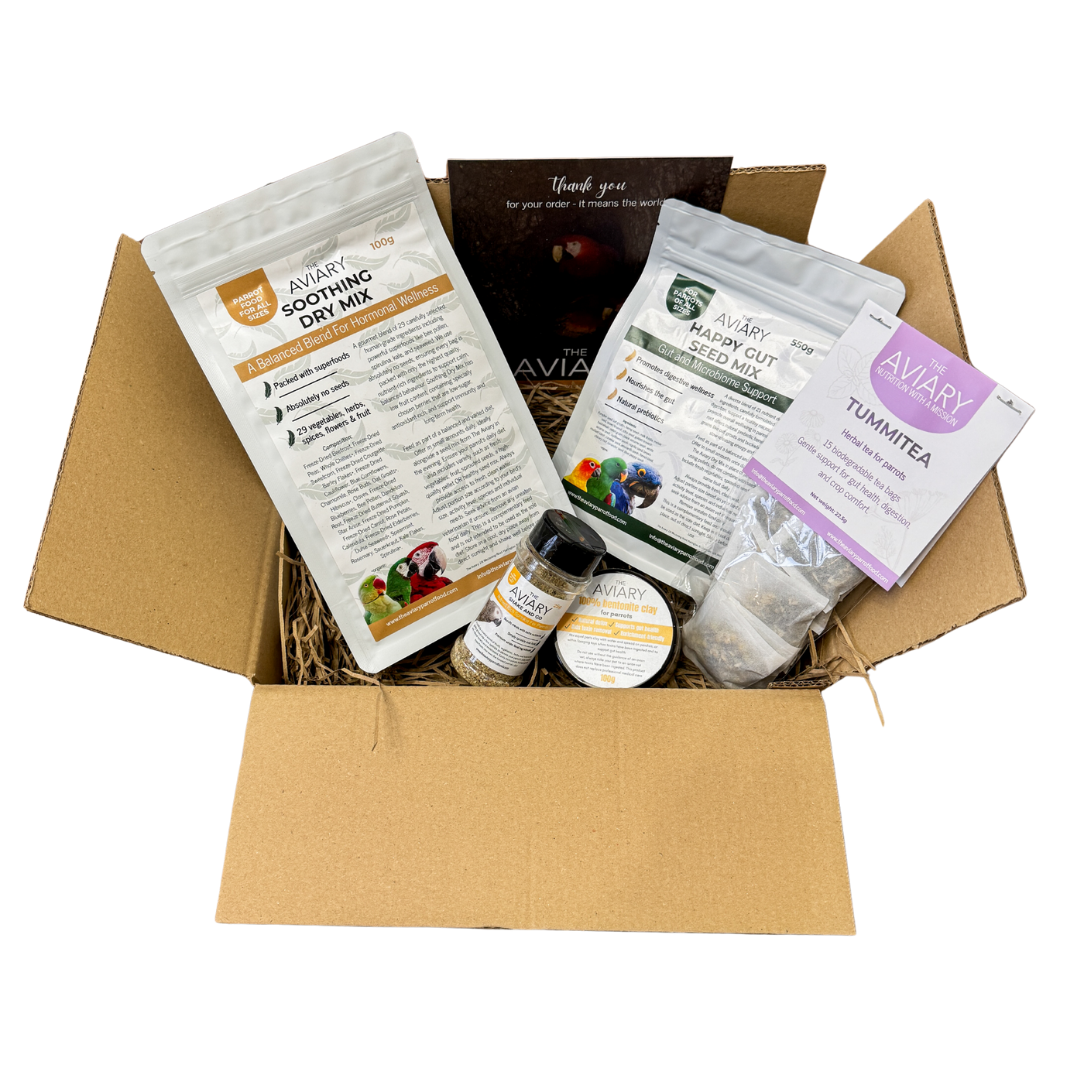
Healthy Parrot Food Starter Pack - The Aviary Parrot Food
Regular price £39.99 GBPRegular priceUnit price per


Your Parrot Won’t Love a New Diet Overnight And Here’s Why


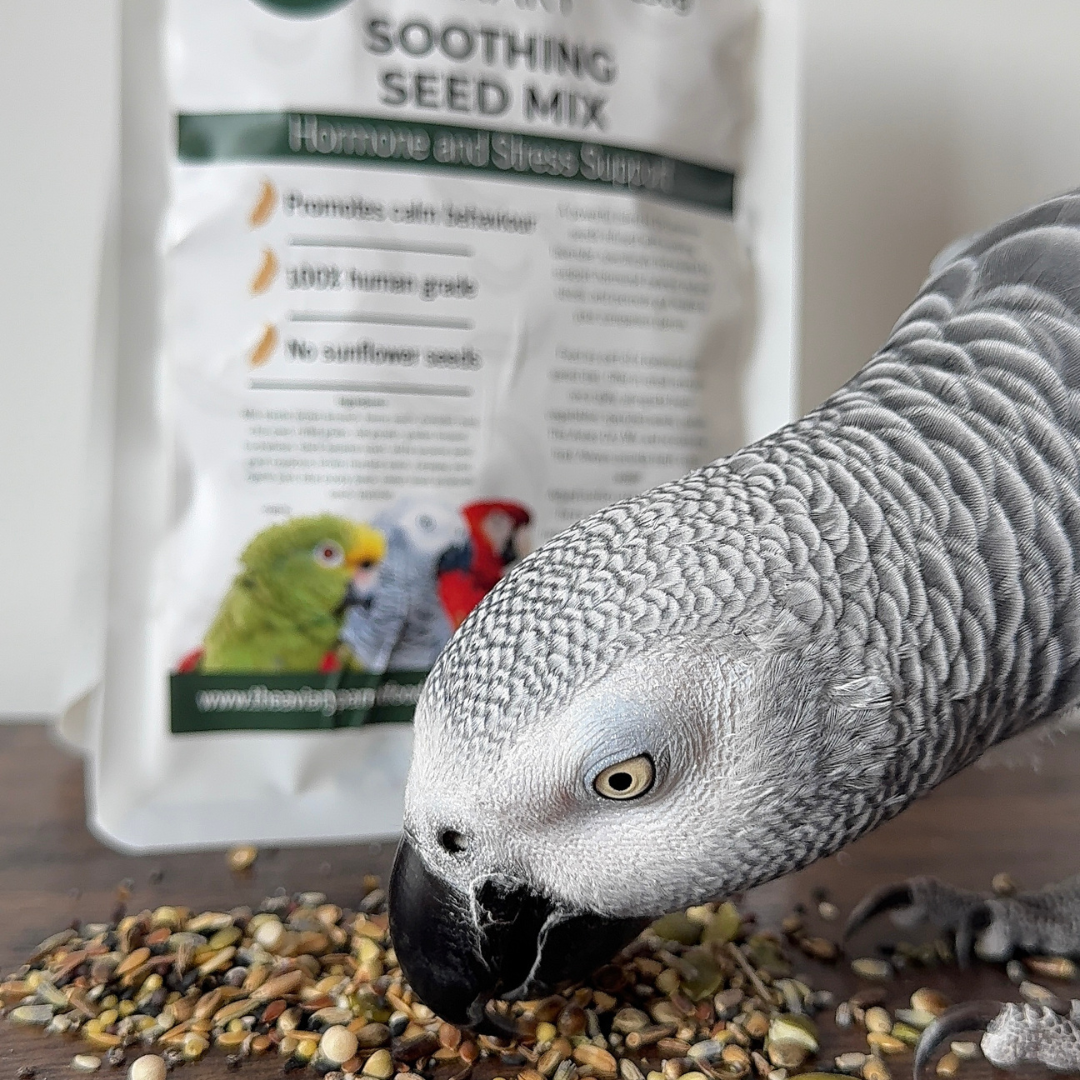
Why The Aviary?
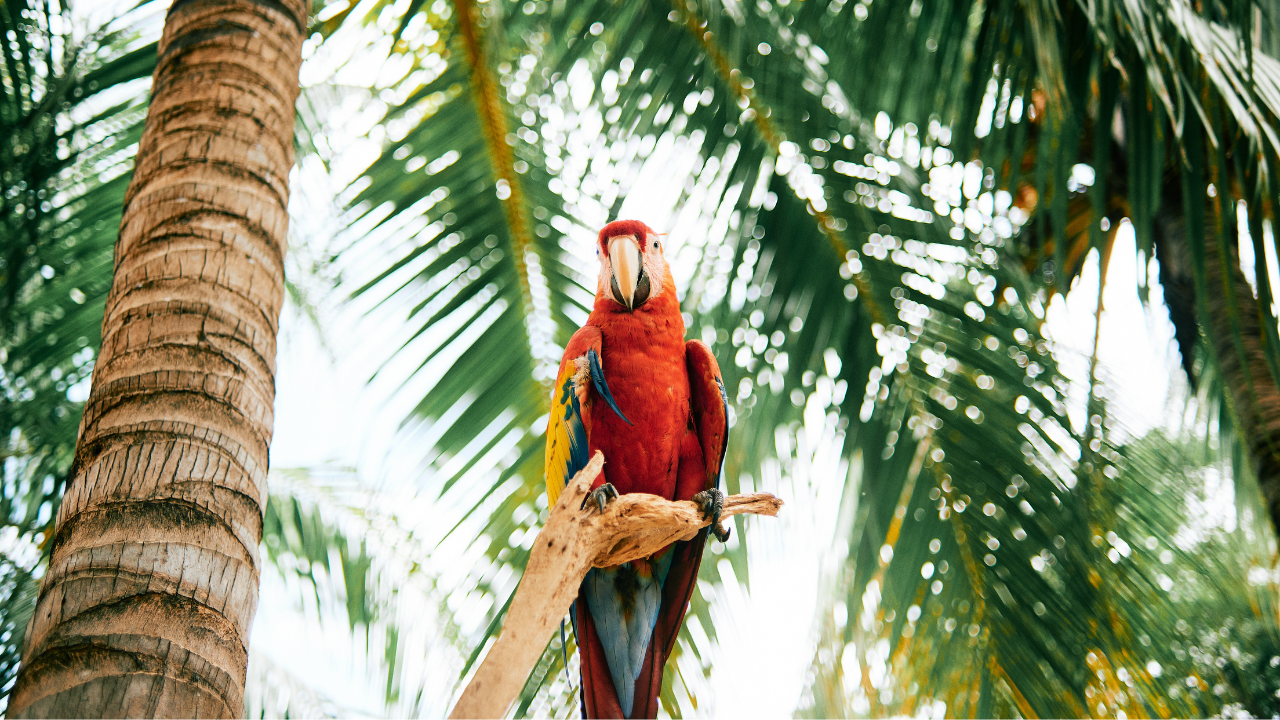
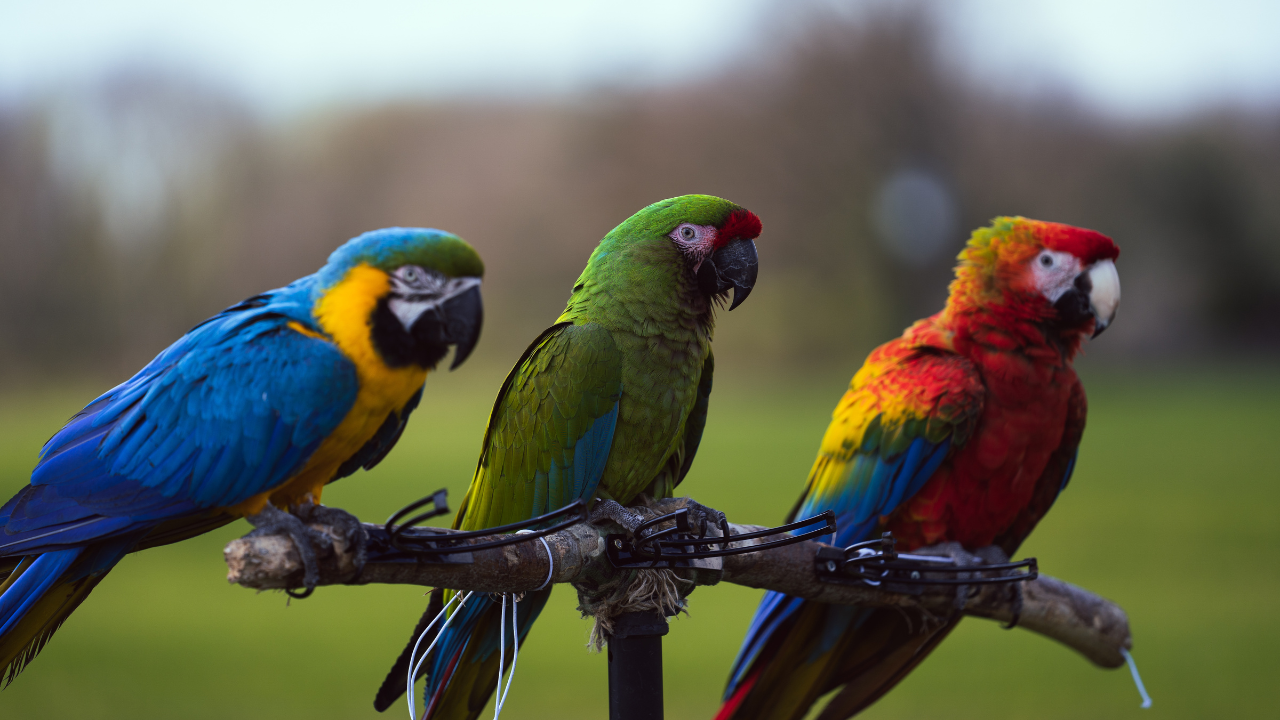


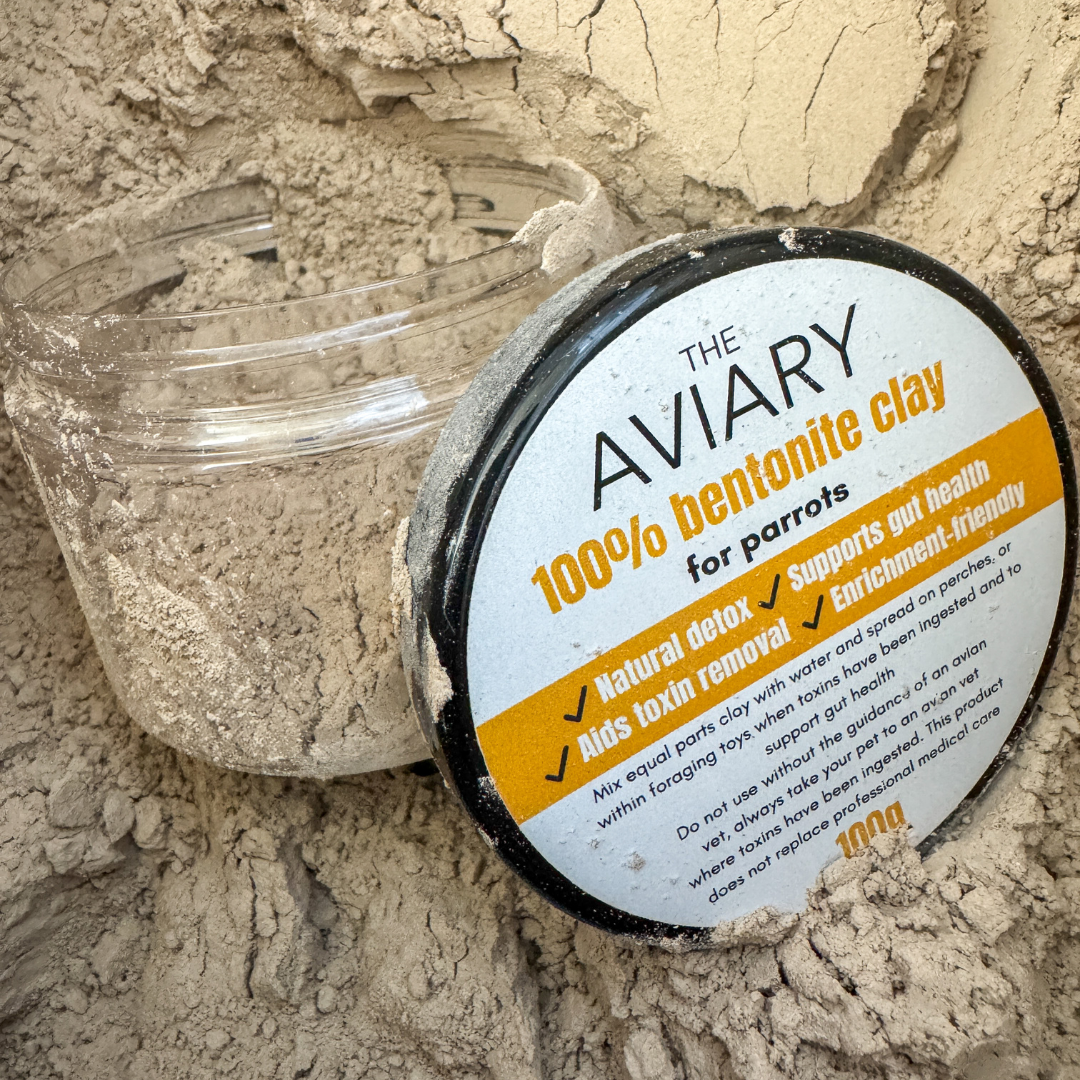
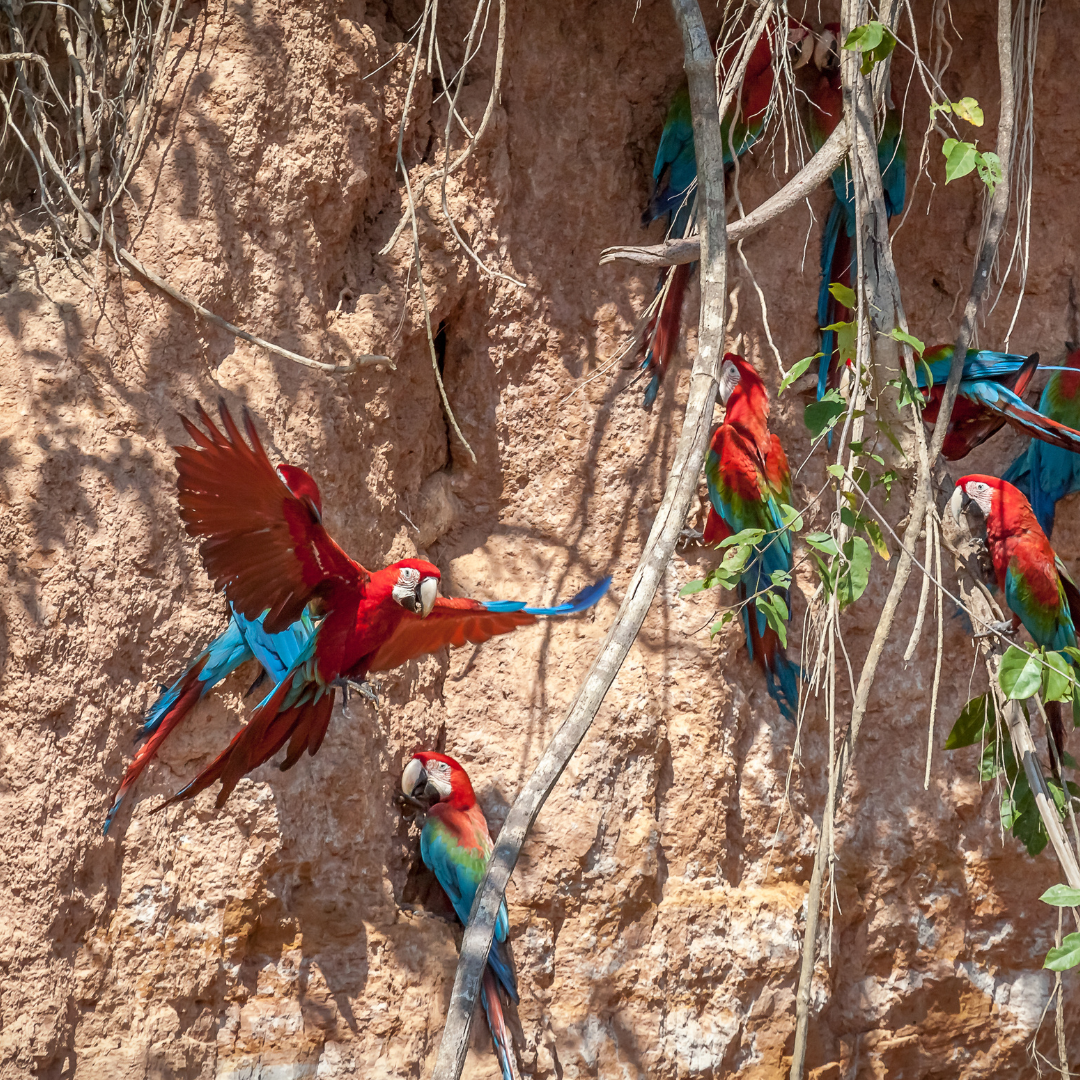
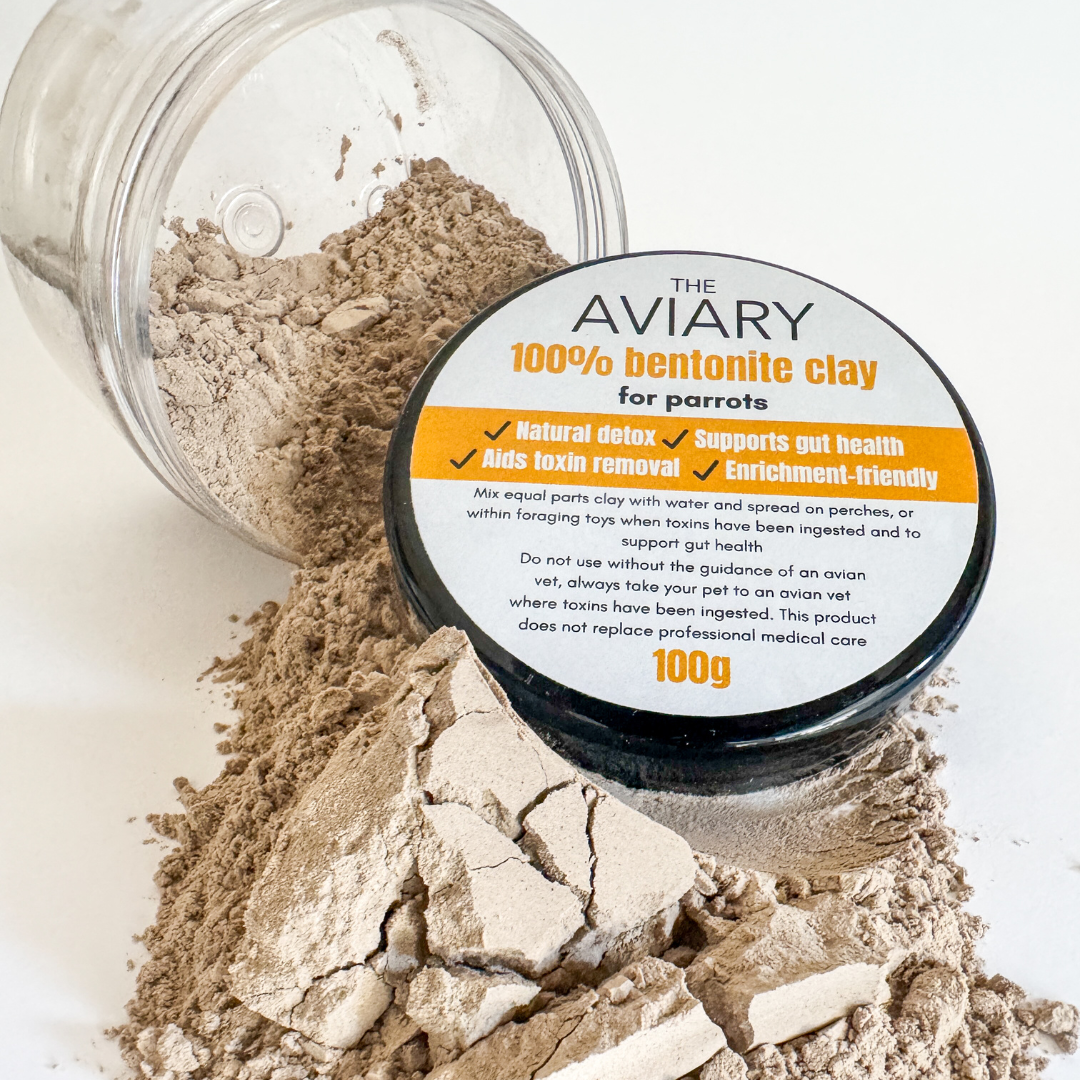
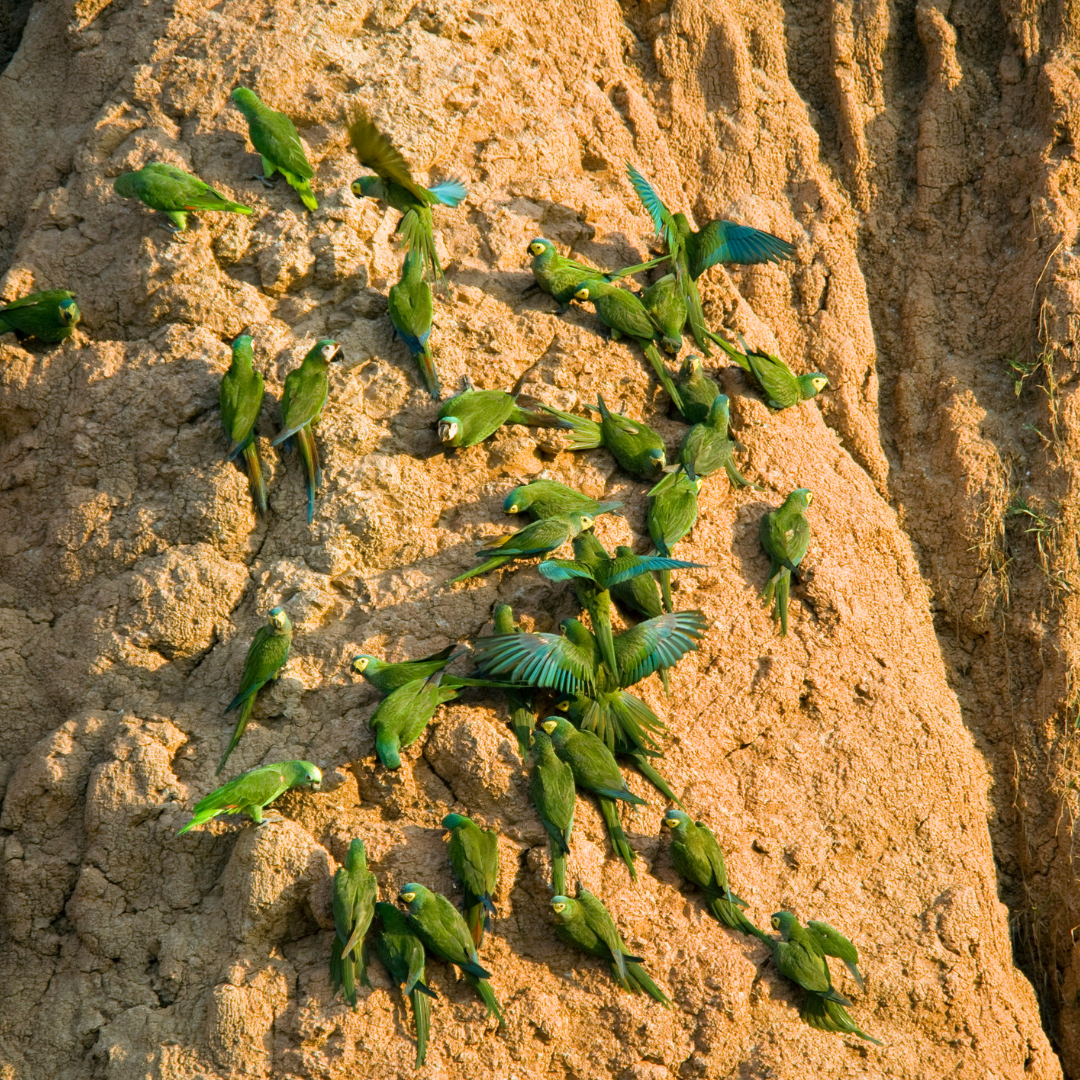
Parrot Education
View all-

Can You Use Frozen Veg to Make a Parrot's Chop?
Can you use frozen veg to make your parrot's chop? Find out why frozen veg is a good, budget-friendly option, how to cook and cool it safely, and which vegetables...
Can You Use Frozen Veg to Make a Parrot's Chop?
Can you use frozen veg to make your parrot's chop? Find out why frozen veg is a good, budget-friendly option, how to cook and cool it safely, and which vegetables...
-

What Can Parrots Not Eat? The Complete List of ...
Discover the complete list of foods and household hazards that are toxic to parrots, plus what they should actually be eating.
What Can Parrots Not Eat? The Complete List of ...
Discover the complete list of foods and household hazards that are toxic to parrots, plus what they should actually be eating.
-

Can Parrots Drink Herbal Tea? A Full Guide To A...
Yes, when it’s made specifically for birds. Learn which avian herbal teas are parrot-safe, the benefits of chamomile, fennel, elderflower and more, and how to serve herbal tea safely to...
Can Parrots Drink Herbal Tea? A Full Guide To A...
Yes, when it’s made specifically for birds. Learn which avian herbal teas are parrot-safe, the benefits of chamomile, fennel, elderflower and more, and how to serve herbal tea safely to...


Species of the month
🦜 Species of the Month for October
Greater Vasa Parrot (Coracopsis vasa)
October's feature goes to one of the most unusual parrots you're ever likely to meet. The Greater Vasa doesn't look like a typical parrot, doesn't behave like one, and honestly seems quite happy to break every rule in the book.
Did you know?
In breeding season, female Vasas lose the feathers on their head and their bare skin turns a bright golden-orange. It's a dramatic look, and it's completely normal. Females also tend to run the show in this species, which is rare in the bird world.
📏 Size: Around 50 cm (20 inches) — a big, sturdy bird with a slightly prehistoric look about it.
🎂 Lifespan: 30–40 years with good care. A long-term commitment, like so many parrots.
🧠 Personality: Curious, active, and quirky. They love to sunbathe with their wings spread wide, happily roll around in dust or water, and approach life with a laid-back confidence. They're not as common in homes as other species, so they tend to surprise people who meet one for the first time.
🌍 Native To: Madagascar and the Comoros Islands, where they live in forests, woodland, and savannah.
🌿 Support Tip: Vasa parrots are rarely kept, and most in captivity live with specialist breeders, zoos, and bird parks. In the wild, their forest homes in Madagascar are shrinking through deforestation, and trapping remains a threat. Supporting habitat protection and only ever choosing responsibly captive-bred birds helps make sure this wonderfully odd species keeps thriving where it belongs.